




Spelman College’s sustainability journey offers a practical, facilities-forward example of how colleges and institutions in Georgia can reduce emissions while lowering operating costs and building a campus-wide culture of sustainability at the same time. In this interview, sustainability coordinator Iesha Baldwin shares how Sustainable Spelman has evolved from a presidential vision into a deeply integrated initiative touching facilities operations, energy efficiency, food systems, student engagement, and long-term capital planning.
How to Build Sustainability into Campus Operations: Spelman College as a Case Study
Sustainability on college campuses often shows up in visible ways, like solar panels, recycling bins, or student-led initiatives. But as this conversation makes clear, some of the most impactful climate solutions live behind the scenes, embedded in facilities decisions, capital projects, and daily operations.
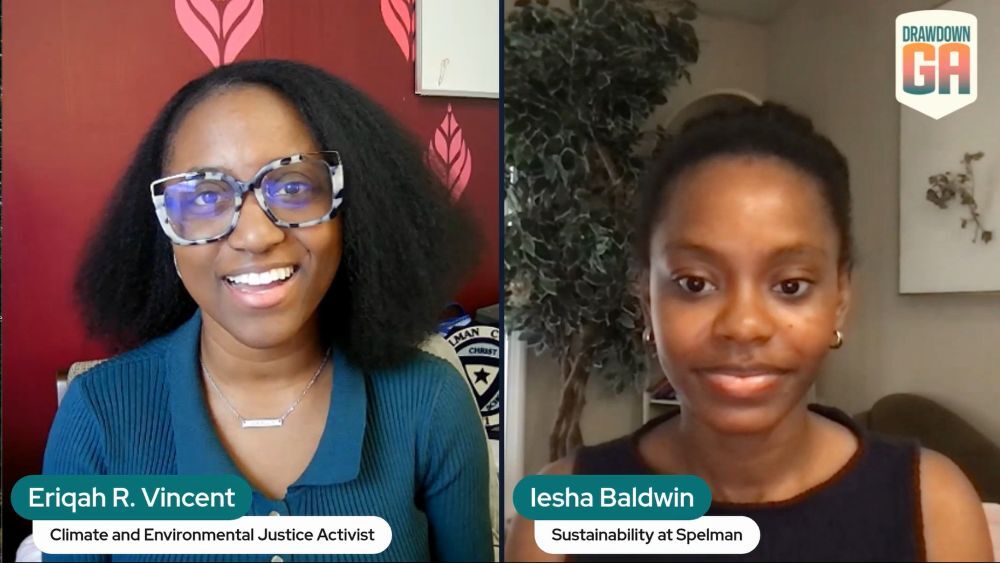
In this installment of the Georgia Climate Digest interview series, climate justice advocate Eriqah Vincent sits down with Iesha Baldwin, sustainability coordinator at Spelman College, to talk about how one Georgia institution has built a long-running, facilities-integrated approach to sustainability, and what other campuses can learn from it.
Chapters:
6:03 - What is Sustainable Spelman?
15:11 - What is Spelman’s Climate Action Plan?
19:00 - Energy efficiency initiatives at Spelman
24:10 - How to prioritize which buildings to retrofit?
26:27 - Advice for facilities managers on energy efficiency upgrades
41:53 - How to begin a sustainability program at your college or institution
49:50 - What’s giving Iesha hope around climate in Georgia
Watch the video above to hear their full conversation, or keep reading to learn about energy efficiency solutions in action at Spelman.
What Is Sustainable Spelman? A Campus-Wide Sustainability Model
Sustainable Spelman is Spelman College’s campus-wide sustainability initiative, rooted in the idea that every member of the community, including students, staff, faculty, and administrators, has a role to play.
While the initiative formally began more than a decade ago, its foundation was laid during the presidency of Dr. Beverly Daniel Tatum, who framed sustainability as part of Spelman’s broader mission and values. Her message was simple but powerful: sustainability is not a niche concern, but a shared responsibility.
Over the years, Sustainable Spelman has been carried forward by facilities leadership, faculty, staff, students, and alumni. Today, that work is coordinated and accelerated through a dedicated sustainability role, signaling a deeper institutional commitment to advancing climate solutions.
Overcoming Obstacles to Improving Sustainability
One of the earliest challenges Sustainable Spelman faced was helping people see themselves in sustainability work.
“What does sustainability look like in the arts? In computer science? In community engagement?” Iesha illustrates. For many institutions, sustainability can feel siloed within facilities or environmental programs. At Spelman, addressing that challenge has meant intentionally connecting sustainability to existing work across departments, rather than introducing it as something separate or additional.
Leadership support has been critical. With the president and facilities leadership championing sustainability early on, the initiative was able to move beyond awareness-building and into implementation, particularly on the operations side of campus.
Overview of Sustainability Initiatives at Spelman
Today, Sustainable Spelman encompasses a wide range of initiatives that are especially relevant for facilities managers and operations teams:
-
Building improvements and energy efficiency, supported by external partners and campus-wide assessments
-
Food waste reduction and composting, integrated into dining services and event operations
-
Student training in the built environment, helping prepare the next generation of facilities, energy, and sustainability professionals
-
Community engagement and storytelling, ensuring operational wins are visible and understood
A recent example is the Building Improvement Toolkit, developed in partnership with Southface and Sustain Our Future. The toolkit supports campus energy efficiency upgrades while also serving as a hands-on learning tool for students interested in green careers and the built environment.
From a facilities perspective, the value is twofold: improving building performance today while building internal capacity and workforce awareness for the future.
What Is a Climate Action Plan?
Spelman was one of the first historically Black colleges and universities (HBCUs) to develop a climate action plan: a comprehensive document that outlines how an institution will reduce greenhouse gas emissions over time.
A climate action plan typically addresses:
-
Emissions from buildings and energy use
-
Construction and capital projects
-
Operational practices and behavior
-
Academic and workforce development opportunities related to sustainability
As Iesha explains, many of the largest emissions reductions opportunities on campus sit squarely within facilities and operations. But those technical solutions only succeed when paired with culture and behavior.
“At Spelman, sustainability isn’t an afterthought,” she says. “It’s foundational.”
That mindset has helped the college translate planning documents into real-world results. Spelman is now in the process of updating its 2013 climate action plan with support from partners Southface and Sustain Our Future.
How to Save Money and Lower Emissions Through Energy Efficiency
Energy efficiency has been a cornerstone of Spelman’s sustainability work, particularly within campus facilities. For institutions managing aging buildings, tight budgets, and competing priorities, Spelman’s approach offers several practical lessons.
How Did You Decide Which Existing Buildings to Retrofit First?
Retrofitting decisions at Spelman are guided by a combination of student experience, building use, and long-term planning.
Residential buildings are often prioritized due to their heavy use and direct impact on student well-being. From a facilities standpoint, dorms operate nearly around the clock for much of the year, making efficiency improvements especially impactful.
To inform these decisions, Spelman works with external partners to conduct detailed energy and building assessments. Firms such as Siemens and Walker Miller have supported audits and evaluations that help facilities teams identify where investments will deliver the greatest returns.
Crucially, sustainability staff work closely with facilities leadership to ensure energy efficiency is embedded into capital projects—not treated as a standalone or short-term upgrade.
Mistakes and Surprises: Lessons for Other Campuses
One key lesson Iesha emphasizes is the importance of aligning energy efficiency projects with long-term capital planning.
Rather than pursuing isolated, small-scale upgrades, Spelman aims to integrate efficiency measures into major capital projects. This approach helps ensure improvements have a long lifecycle and aren’t undermined by future renovations or building replacements.
For sustainability managers housed outside facilities departments, Iesha offers clear advice: build strong relationships with facilities teams and stay closely connected to capital planning conversations.
“If you’re not part of those discussions,” she notes, “you risk losing momentum or duplicating effort.”
Another often-overlooked factor is occupant behavior. Even the most efficient building systems depend on how people use them—turning off lights, managing temperature settings, and respecting shared spaces. Facilities teams can enable efficiency, but campus-wide participation is what ultimately delivers results.
How to Start a Sustainability Initiative at Your College or Institution
For institutions just beginning their sustainability journey, Spelman’s experience underscores that culture matters as much as infrastructure.
Where Should Institutions Begin?
When Iesha stepped into her role, her first priority wasn’t launching new programs—it was understanding what already existed.
She focused on learning what different departments were working on and identifying natural connections to sustainability. By aligning climate solutions with existing goals and projects, sustainability became an enabler rather than an added burden.
This approach is especially relevant for smaller or under-resourced institutions, where staff already wear many hats.
Key Considerations for Building a Lasting Program
Several factors have helped Sustainable Spelman endure and evolve:
-
Leadership buy-in, particularly from facilities and executive leadership
-
Cross-campus committees, including staff, faculty, students, and alumni
-
Operational integration, ensuring sustainability lives within facilities and capital planning
-
Student involvement, through funds, coursework, and hands-on projects
Spelman’s Student Sustainability Fund, for example, supports student-led projects at the intersection of sustainability and innovation—ranging from food waste solutions to energy-related technologies. These efforts reinforce that sustainability is not only about environmental outcomes, but also workforce development and innovation.
Above all, Iesha stresses the importance of trust and curiosity—taking time to understand institutional culture and meeting people where they are.
Stay Up to Date on Climate Solutions in Georgia
To stay informed about climate stories like this one, subscribe now to the Georgia Climate Digest. You’ll receive expert insights, research updates, and local stories delivered to your inbox twice a month.