




What does climate smart agriculture actually look like on the ground in Georgia? For organic farmer Daniel Parson, it starts with a crop rotation plan and a field of cover crops, not a new piece of technology.
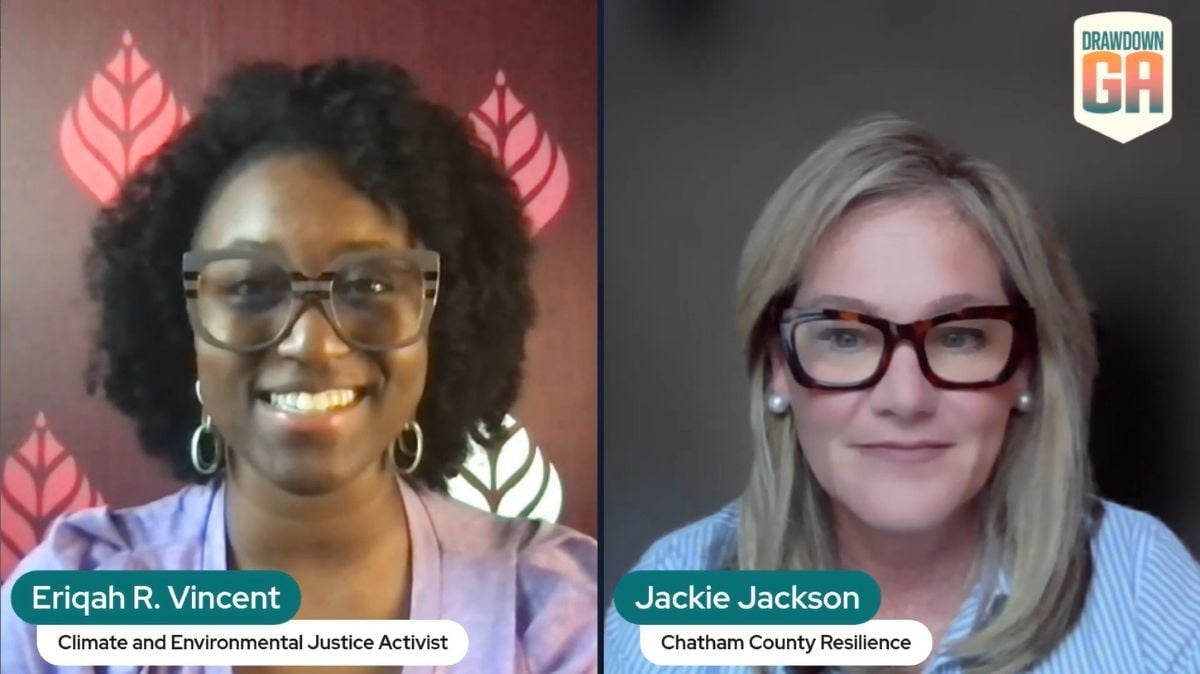
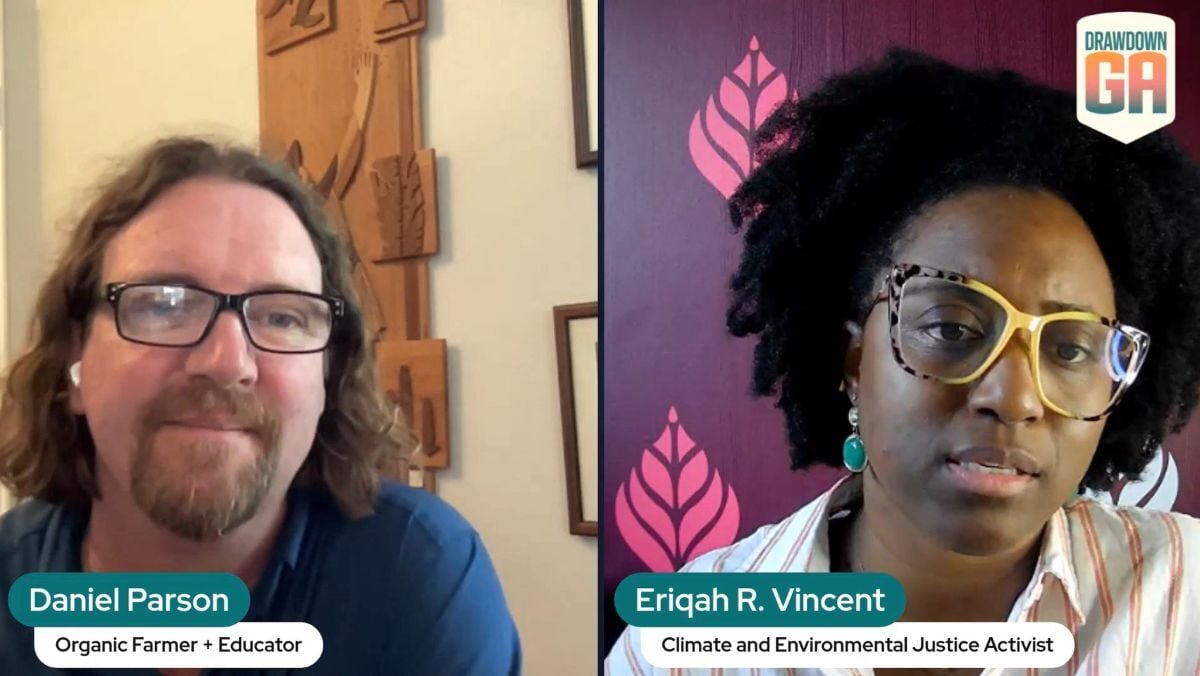
In our latest Georgia Climate Digest video interview, host Eriqah Vincent talks with Daniel Parson, a farmer and educator who has run a college farm in Georgia for the past 12 years. He walks Eriqah through cover cropping, reduced tillage, and the other climate smart agriculture practices that help farms like his produce more food on less land while holding up better against unpredictable weather.
0:00 Welcome and Meet Daniel Parson
01:00 What Is Climate Smart Agriculture?
02:58 How Do Organic Farms Grow More Food in a Small Space?
06:53 How Do Cover Crops and Reduced Tillage Build Soil Health?
08:23 What Equipment and Labor Does It Take to Adopt These Practices?
10:38 How Does Climate Smart Agriculture Build Resilience Against Unpredictable Weather? 16:12 What Challenges Come With Transitioning to These Practices?
17:48 What's the Easiest First Step for Farmers and Consumers?
21:36 Where Can Georgia Farmers Find Grants and Guidance?
24:16 Why Growing Your Own Food Matters
25:36 What's Giving Daniel Parson Hope?
Watch the video above to hear the full conversation, or keep reading for highlights on what climate smart agriculture looks like on a Georgia farm and how it helps growers manage a changing climate.
What Is Climate Smart Agriculture?
Daniel has been practicing what's now called climate smart agriculture since long before the term existed. "It's the new buzzword for what we've been doing for a long time," he said.
He breaks it down into three goals: produce a lot of food in a small area, reduce agriculture's impact on the climate, and reduce the climate's impact on crops. That third goal, managing risk from unpredictable weather, has been central to organic farming since he started, and it's become more important as growing seasons have gotten less predictable.
How Do Organic Farms Grow More Food in a Small Space?
Many people assume they need a big plot of land to grow meaningful amounts of food. Daniel points to long-term research from the Rodale Institute showing that conventional farms can out-produce organic ones in good years, but organic farms tend to hold up better when conditions turn rough.
Producing a lot in a small space comes down to giving plants what they need without interruption. "You want them to take off like a rocket ship," Daniel said. That means healthy soil, consistent water, and enough sunlight, with fewer setbacks from pests, disease, and weeds. Because organic growers have fewer tools to intervene once a problem shows up, Daniel's approach is to prevent problems before they start, largely through crop rotation and cover crops.
How Do Cover Crops and Reduced Tillage Build Soil Health?
Daniel uses buckwheat for pollinators, cowpeas for nitrogen, and sorghum and grasses to pull carbon from the atmosphere into the soil as organic matter. That organic matter does a lot of work at once: it absorbs excess rain to cut down on runoff, holds moisture during dry spells, and stores nutrients so plants can draw on them over time.
He's candid that his farm still uses some tillage, since it's part of growing a healthy vegetable crop in a small footprint. But he points to living plant roots as the single biggest factor in soil health, followed by the organic matter left behind when a cover crop is turned under. Cover crops, in other words, deliver both.
What Equipment and Labor Does It Take to Adopt These Practices?
Daniel is quick to push back on the idea that climate smart, organic, and conventional agriculture are separate silos. "Any farmer can pretty much use any of these tools," he said. Crop rotation is the starting point, and most of these practices don't require specialized equipment, just planning.
Cover crops take more coordination: labor to plant them, and equipment to manage them once they've grown. Daniel's farm uses a flail mower and disc to plow cover crops in. No-till systems, which he'd like to adopt more of, typically use a roller crimper instead. He notes that no-till doesn't work for every crop. It's a good fit for squash, tomatoes, and pumpkins, but nearly impossible for a crop like carrots.
How Does Climate Smart Agriculture Build Resilience Against Unpredictable Weather?
For Daniel, resilience is the biggest payoff of these practices. Soil that holds more water, combined with a diverse mix of crops planted at different times, gives a farm more than one way to absorb a bad weather event.
He recalled a May hailstorm that wiped out one or two crops entirely while leaving others untouched, because the farm had crops at different stages of growth in the ground at the same time. "If we were growing one crop that was in the ground that May, we might have lost it all," he said.
He also pointed out that a warming climate doesn't simply mean a longer growing season. Georgia's frost-free date can occur anywhere from February to mid-April in a given year, and it is this swing in timing, rather than a steady shift toward warmer weather, that farmers actually have to plan around.
What Challenges Come With Transitioning to Climate Smart Practices?
Cost is one barrier. Cover crop seed and the equipment to manage it add up, especially for growers who haven't budgeted for them before. But Daniel points to a bigger obstacle: once a farmer has found a system that works, switching to something new carries real risk.
"Farmers are particularly challenged with changes because there are so many risk factors involved with farming," he said. Even so, he sees room for optimism, since higher yields and better weather resilience are goals every farmer already shares, making them a natural entry point for trying something different.
What's the Easiest First Step for Farmers and Consumers?
For farmers, Daniel recommends starting with cover crops and looking for places in the operation where no-till could work. If a farm doesn't already have a crop rotation plan, that's the first thing to put in place, since it shapes everything else.
For consumers, he points to an often overlooked Drawdown Georgia climate solution: food waste. Shopping at a farmers market or joining a community-supported agriculture program naturally cuts down on waste, since shoppers tend to buy only what they need each week and use it before the next trip. It also means fresher food, since many farmers market growers harvest within a day or two of selling.
>>Learn how Community Farmers Markets is growing climate solutions and equity in Georgia.
Daniel also encourages people to think about where their food actually comes from. Seeing cattle pastures or vegetable farms while driving through Georgia doesn't necessarily mean that food ends up on local plates. "I think for consumers, the first step is knowing where your food comes from and being closer to that producer," he said, "and that way you can make choices that have an influence on climate and things that you might care about."
Where Can Georgia Farmers Find Grants and Guidance?
Daniel points Georgia farmers toward a few trusted resources. Georgia Organics, a statewide nonprofit, works with organic and other sustainable farmers, not just certified organic operations. The USDA Sustainable Agriculture Research and Education (SARE) program offers detailed guidance on cover crops and crop rotation, including how they help manage pests and weeds, not just carbon. Local extension agents and regional SARE programs, including one active at Fort Valley, can connect farmers to funding and events near them.
His broader advice: rely on independent, research-based sources rather than farmers who are also selling something. "With sustainable agriculture, it is so much about knowledge," he said.
Why Growing Your Own Food Matters
Daniel is a believer in growing food at home, even on a small scale. He points out that fewer than 1% of Georgians are farmers, but everyone eats, which makes consumers the biggest lever for change. Growing something in your own backyard, even a little, teaches you what it actually takes to produce food and makes conversations with farmers at the market more meaningful.
What's Giving Daniel Parson Hope?
Daniel finds hope in the people around him doing the work, from groups like Sustainable Newton in Newton County to the broader Drawdown Georgia network. "There are a lot of people who are really working on it, and we're making progress," he said. "We'd love to see more progress, but progress is hope."
He also points to a strong growing season as its own kind of hope: proof that Georgia farms can produce a lot of food on a small amount of land and get it into people's hands.
Stay Connected to Conversations Like This One
Subscribe to the Georgia Climate Digest to receive the latest good news on climate in Georgia and to hear directly from farmers, researchers, and community voices advancing climate solutions that work best in our state, all sent right to your inbox twice a month.