




Facilities managers are often asked to do more with less, from improving energy efficiency to reducing operating costs to increasing occupant comfort. All while they are also responsible for managing aging buildings, tight budgets, and competing priorities.
According to Stephen Ward, program manager for the Building Improvement Toolkit (BIT Building) at Southface, one of the biggest opportunities doesn't require purchasing new equipment at all.
Instead, it begins with people.
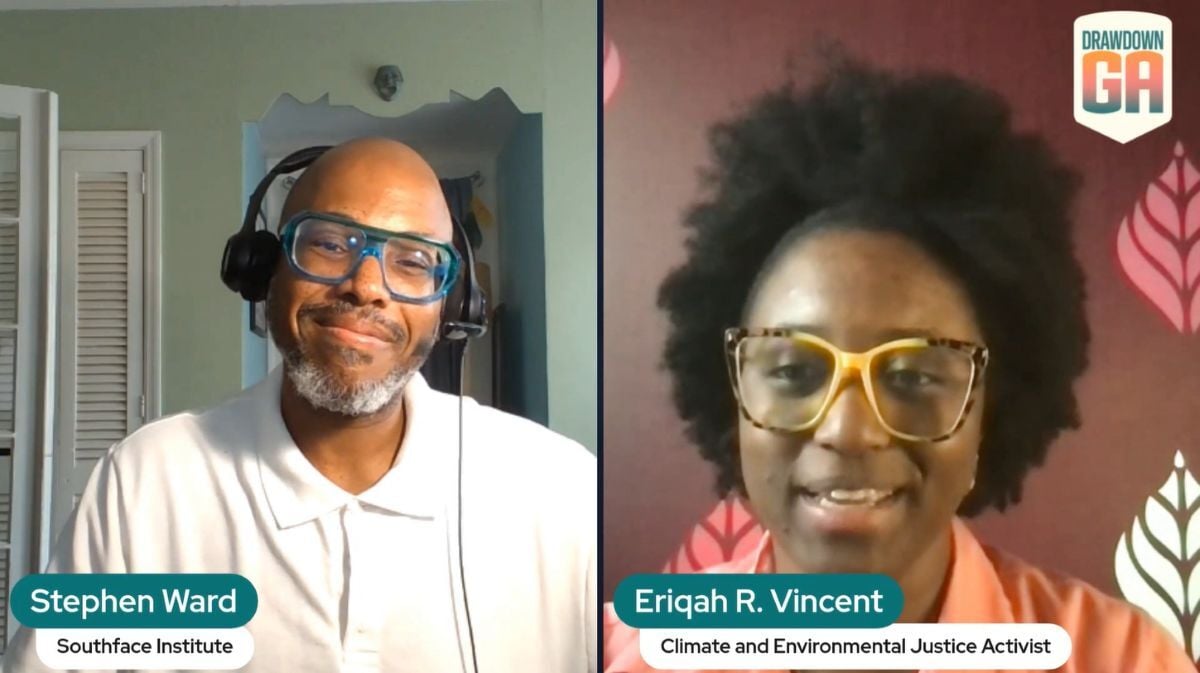
In our latest Georgia Climate Digest video interview, host Eriqah Vincent sits down with Stephen to explore how people can drive energy efficiency improvements in Georgia buildings.
Chapters
00:36 Meet Stephen Ward and Southface
03:19 What Is the BIT Building Program?
06:51 Why Buildings Don't Save Energy, People Do
08:41 How Behavior Change Can Reduce Energy Use
14:55 Creating a Culture of Building Stewardship
17:35 How to Engage Leadership and Building Occupants
22:34 Common Misconceptions About Building Performance
25:10 Advice for Facilities Managers
27:05 BIT for Resilient HBCUs
35:19 What Gives Stephen Ward Hope?
38:28 Closing Remarks
Watch the video above to hear their full conversation, or keep reading to learn why occupant behavior plays a critical role in building performance, how facilities managers can create a culture of stewardship, and why engaging building occupants may be one of the most cost-effective energy efficiency strategies available.
What Is the BIT Building Program?
The Building Improvement Toolkit (BIT Building), developed by Southface, helps organizations improve building performance by focusing on operations, maintenance, and occupant engagement.
Rather than concentrating solely on equipment upgrades, the program helps facilities managers identify everyday opportunities to reduce waste, improve efficiency, and encourage building users to become active participants in building operations.
"People often think sustainability is complicated or expensive," Stephen says. "Our goal is to make it accessible and help people recognize how much influence they already have through their everyday actions."
Why Do People Matter More Than Buildings for Energy Efficiency?
Southface often uses the phrase, "Buildings don't save energy. People do."
Stephen says this simple idea changes the way facilities managers think about their work. A building doesn't decide to leave lights on, report a water leak, or close a window when the air conditioning is running. The people inside make those decisions every day.
"The best-performing buildings aren't necessarily the ones with the newest technology," Stephen says. "They're the ones where people understand the role they play and recognize their shared responsibility for the spaces they occupy."
For facilities managers, that means success depends as much on building culture as building systems.
How Much Energy Can Better Building Operations Save?
Many organizations assume meaningful energy savings require expensive capital improvements. In reality, improving building operations often delivers significant results before major investments are needed.
Stephen points to research showing that organizations can reduce energy use by improving operational practices and engaging occupants. Through the BIT Building program, participating organizations have averaged approximately 13% energy savings through behavior changes and operational improvements alone.
Helping occupants understand simple actions, such as turning off unnecessary lighting or avoiding open windows while HVAC systems are operating, can produce measurable savings across an entire facility. Just as importantly, improving operational efficiency before replacing equipment may reduce the size and cost of future capital projects.
How Can Facilities Managers Encourage Occupant Engagement to Improve Energy Efficiency?
Stephen encourages facilities managers to think beyond equipment and begin observing how people actually use their buildings. Instead of asking only what equipment needs to be repaired, ask why occupants behave the way they do.
At Southface, one example came from the employee kitchen. Staff routinely rinsed dishes under running water before placing them in the dishwasher. Rather than asking people to change their habits entirely, the facilities team placed spray bottles next to the sinks so dishes could be cleaned without continuously running potable water.
That one behavioral change reduced the organization's water use by approximately eight percent. Small adjustments like these not only conserve resources but also demonstrate that sustainability doesn't have to feel inconvenient or disruptive.
What Are the Biggest Misconceptions About Building Performance and Energy Efficiency?
According to Stephen, one of the most common misconceptions is that building performance is solely the responsibility of the facilities department. Leadership establishes priorities and facilities teams maintain building systems, but lasting improvements require participation from everyone who uses the space.
"The best facilities managers aren't just managing buildings," Stephen says. "They're creating a culture of stewardship." That culture develops when occupants understand that their daily choices contribute to healthier, more efficient buildings.
What Can Facilities Managers Learn From Students?
Stephen has also seen the power of occupant engagement through BIT for Resilient HBCUs, a Southface initiative that works with historically Black colleges and universities to improve energy, water, waste, and indoor environmental quality.
Students bring fresh perspectives, communicate effectively with their peers, and often identify opportunities that others overlook. By helping students understand how everyday actions connect to larger environmental and community impacts, the program empowers them to become advocates for sustainability on their campuses.
The lesson extends well beyond higher education: people are far more likely to participate when they understand why their actions matter.
Better Building Performance Starts With People
When asked what gives him hope about climate action in Georgia, Stephen didn't mention new technology or emerging regulations. He pointed to people.
He explained that facilities managers don't have to solve every challenge alone. By creating opportunities for leadership, staff, and building occupants to work together, organizations can reduce energy use, improve building performance, and strengthen their communities, often without major capital investments.
Stay Up to Date on Georgia Climate Solutions
Want more practical conversations about climate solutions like this one?
Subscribe to the Georgia Climate Digest to receive interviews with Georgia's climate leaders, along with the latest good news about climate solutions, case studies, and events delivered directly to your inbox twice a month.